
Gather Grace: little Learning – Toddler Regulation Activities
Level 1A – Regulation (Calm, safe, and ready to learn)
Our life
If your child is constantly melting down, running nonstop, crashing into everything, screaming, or just can’t seem to settle – look at these toddler regulation activities.
Not letters, colors or trying to get them to sit still and learn.
This.
I have four kids, and they are all completely different. Some need constant movement, some need closeness, some can handle structure, and some absolutely can’t – yet. So if your house feels loud, chaotic, or exhaustinng – youre not doing anything wrong.
You might just be trying to teach before your child is ready to feel calm and safe in their own body.
Heres a post talking about what this series is going to be about!
What regulation actually is
Regulation doesn’t mean a perfectly calm, quiet child.
It means:
- they can stay near you (even if moving)
- they dont escalate immediately over small things
- they can calm down with help
- they can engage – even for a few seconds
- they recover faster after getting upset
Even 20 seconds of engagement is a win!
How often are kids dysregulated?
This is more normal than people think.
Some kids struggle mainly during transitions, or get overwhelmed a few times a day. Other kids are not regulated most of the day.
That can look like:
– Constant movement
– Constant noise
– Constant frustration
If thats your house – you are not alone!
This is exactly where you start!
Why this matters
God is a God of order, not chaos.
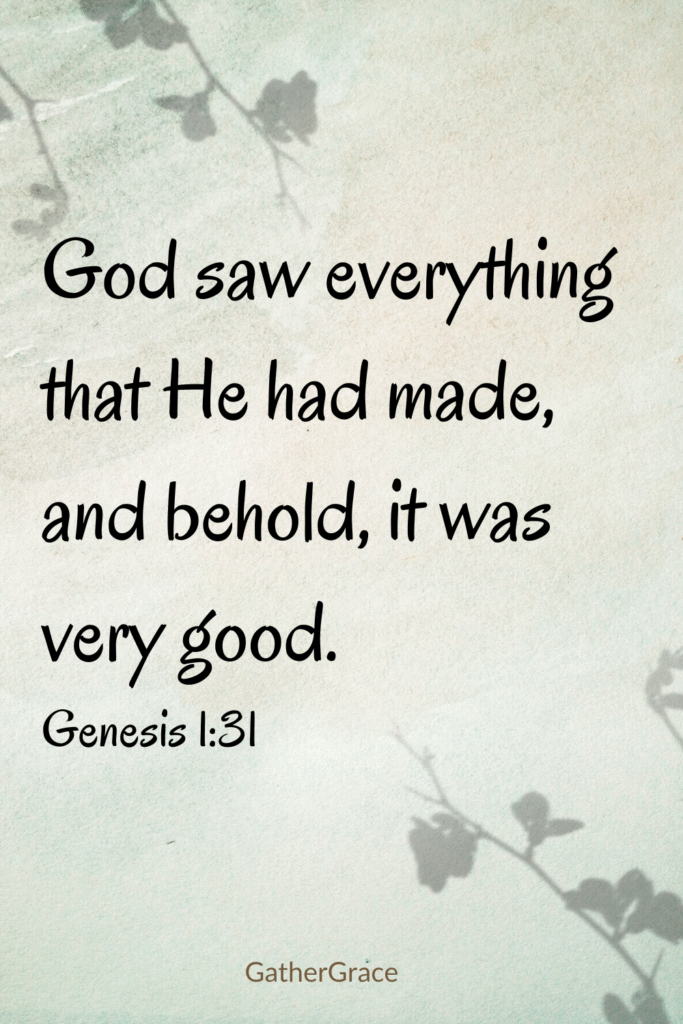
Before anything else, He created:
– Structure
-Rhythm
-Stability
Were doing the same thing in our homes.
Not controlling our kids –
Helping them feel safe enough to grow.
Where this fits
This is level 1A – The foundation.
If your child:
- cant stay with you (or cant be put down)
- becomes overwhelmed quickly
- melts down often
- is constantly on edge
Start here before anything else.
Also, check out my Pinterest for even more ideas!
What to do when things are falling apart
When your child is overwhelmed:
Step 1 – Reduce input
- turn off tv
- lower noise
- remove extra toys or layers of clothes
- dim lights
Step 2 – Get close
- Sit next to them
- Hold them close if they want it
Step 3 – Slow everything down
- Your voice
- Your movements
Step 4 – Do ONE simple thing
Examples:
- bounce them slowly
- rock side to side
- roll a ball back and forth
- tap hands or belly
One pattern. Repeated.
When to stop
Stop when you see:
- turning away
- pushing things away
- whining or fussing
- body gets tense
Ending early = still success
Pushing through = overstimulation nation!
What different behaviors can mean (and what to do)
Crashing, jumping, running into things
Usually means: They are seeking deep pressure or heavy input.
Try this:
- pushing a laundry basket (not empty)
- carrying books or groceries
- jumping onto pillows
- pushing against a wall
This helps their body feel “grounded”.
Hitting / Banging Head
Often means: Theyre overwhelmed and trying to reset, or theyre seeking pressure again.
Try this:
- firm bear hugs (if they like it)
- pillow on lap (or stuffed animal)
- give something safer to push against
- heavy work (pushing/carrying things again)
Walking on tiptoes
Could mean: Theyre sensory seeking, or doing it for body awareness.
Try this:
- Barefoot walking on different textures (you dont need to buy the stepping stones. try different fabric squares, sequins or fur, even different clothes you have, or things in nature).
- jumping
- pushing heavy objects
- slow marching
Avoiding eye contact / Looking away
Often means: theyre overwhelmed and getting too much input.
Try this:
- Sit beside them instead of in front for a minute
- reduce talking
- use simpler, slow interaction
Hand / Finger movements
Could mean: Theyre excited! I call them happy hands! They could be trying to self regulate.
Try this:
- Dont stop it if you dont need to
- You could show structured movement instead, like handclapping
- If theyre trying to regulate you could try fidgets that let their hands do what they were originally doing.
Constant Noise or Loud sounds
Often means: theyre seeking input, or trying to regulate.
Try this:
- Give controlled sound
- music
- rhythm
- singing
- humming (play with different tones – high vs low)
Big reactions / Melting down quickly
Usually: overload, not enough regulation yet.
Try this:
- Reduce demands
- simplify environment
- return to calming familiar patterns
Simple activities that build regulation
- Carrying
- laundry
- groceries
- books
- toy bins
- Pushing
- baskets
- chairs
- bins
- Pulling
- blankets
- wagons
- Repetitive movement
- rocking
- bouncing
- swinging
This is how their body learns to regulate.
Older kids (same skill – Different approach)
Older kids still need regulation – but not baby activities.
- Use real life tasks
- filling containers
- carrying items (taking out trash, moving laundry)
- organizing objects
- Use tools
- weighted blankets
- stressballs
- resistance bands
- headphones
- fidgets
- Create structure
- same calm down spot
- repeatable routine
- predictable steos
Respect their age while meeting their need.
Simple songs & Rhythm
Use:
- Row Row Row Your Boat (slowly)
- Twinkle Twinkle
- Humming
- slow clapping patterns
Rhythm organizes the brain.
Simple sensory setup
Start calming – not busy:
- soft blanket
- dim light
- one texture at a time
- small amounts to begin with
Free Printable – Calm & Reset Cards
Create simple picture cards – for example:
- hugs
- take a breath
- try again (more)
- all done
Email Option
You can download these Calm & Reset cards, and Ill send more Little Learning printables as I make them.
What actually matters
You dont need picture perfect behavior, long lessons, or quiet kids. You just need consistency, repetition, and presence.
Regulation comes before everything!
Encouragement for you (and me)
If your child struggles to stay calm or present, no matter how long youve been trying:
Youre not behind.
You are not failing them.
You are building one of the most important foundations there is.
And it takes time.
-Sometimes a lot of time…
Prayer
Lord,
Help me stay steady when things feel overwhelming. Give me patience when my child is struggling, and help me respond with calm and love.
Guide me in creating a home that feels safe and peaceful, and help me trust that even small moments are building something important.
Amen.